How to remove a rusted screw
Updated · 5 min read
Rust swells as it forms, and it locks a screw's thread in place like glue. Near the coast, on fences, trailers, boats and old cars, it's the most common reason a screw won't budge. The trick is to break the rust's grip before you put real force on the head, or you'll strip it as well.
1. Clean out the head
Scrub the head with a wire brush, and pick the rust and dirt out of the recess with a small pick or an old screwdriver. A bit that only sits halfway into a rust-filled head is how a seized screw becomes a stripped one.
2. Soak it in penetrating oil
Spray a penetrating oil around the head and wherever the thread goes in, and give it time to creep into the thread: at least 15 minutes, and overnight for bad ones, with a second soak in between. A dedicated penetrating oil usually works better than a general-purpose spray lubricant. Tap the head a few times with a hammer while you wait. The vibration helps the oil work in.
3. Shock it loose
Seat the screwdriver firmly and hit the handle end with a hammer a few times, then try to turn it. Better still, use a manual impact driver: the kind you hit with a hammer. It turns the blow into a sharp twist while driving the bit into the head, which is exactly what a seized screw needs. Mechanics have used them on rusted bike and car screws for decades.
4. Try tightening it first
It sounds backwards, but a small turn clockwise can crack the rust bond. Once it's moved a fraction either way, turn it anticlockwise to come out.
5. Heat it (metal only)
Heat expands the metal around the screw and cracks the rust. Use a heat gun or a small blowtorch on the metal around the screw for 30 seconds to a minute, then try again while it's warm. Some people put a little candle wax on the hot thread as it cools; it gets drawn in and helps it turn.
Be careful with heat. Wipe off penetrating oil first, because it's flammable. Never use a flame near fuel lines, fuel tanks, brake lines, wiring, plastic, or timber that could catch.
6. If the head rounds off, use an extractor
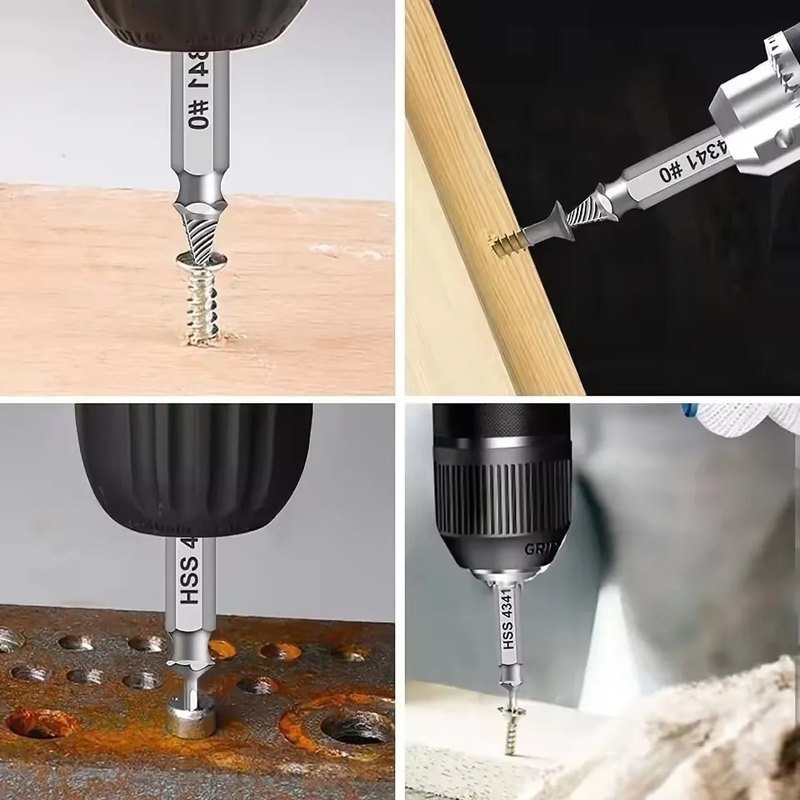
Rust softens screw heads, and they often strip on the first hard turn. That's when a screw extractor earns its keep. The burr end of a double-ended bit cuts through rust and scale to clean metal, and the left-hand thread grips the screw from the inside, so the state of the head doesn't matter. Keep the oil and heat going: an extractor works best on a screw that's already been loosened up. Step-by-step instructions are in how to use a screw extractor.
7. If it snaps
Badly rusted screws sometimes shear off rather than turn. Don't panic: there's usually still a way out. See how to remove a broken screw.
Stop it rusting in next time
- Use stainless steel or hot-dip galvanised screws outdoors, and stainless near the coast. Plain zinc-plated screws are for indoors.
- Match the screw to the job: treated pine and some hardwoods corrode ordinary screws faster.
- Put a little anti-seize compound on screws and bolts going into metal, especially stainless into aluminium on boats and trailers.
Questions
How long should penetrating oil soak?
At least 15 minutes, and overnight for badly rusted screws. A second application, and a few taps with a hammer, help it work into the thread.
Is WD-40 good for rusted screws?
It can help on light rust, but a dedicated penetrating oil usually works better on screws that are properly seized.
Why does a rusted screw strip so easily?
Rust fills the recess so the bit can't sit fully in, and it weakens the metal of the head. Clean the head out and loosen the rust before putting real force on it.
More guides
- How to remove a stripped screwSeven ways to get it out, from a rubber band to an extractor, in the order to try them.
- How to use a screw extractorPicking the size, which way to turn, drill speed, and the mistakes that snap bits.
- Screw extractor size chartWhich extractor for which screw, in millimetres, Australian gauges and metric bolts.
- How to remove a broken screwSnapped above, flush or below the surface: what to do for each.
- Types of screw extractorDouble-ended bits, easy outs, multi-spline, sockets: what each is for.